Loading...
Families & Pet Owners
Pet friendly private jet charter exists because commercial aviation treats animals as a problem to be contained, and many owners refuse to accept that.
I.
Why families & pet owners charters
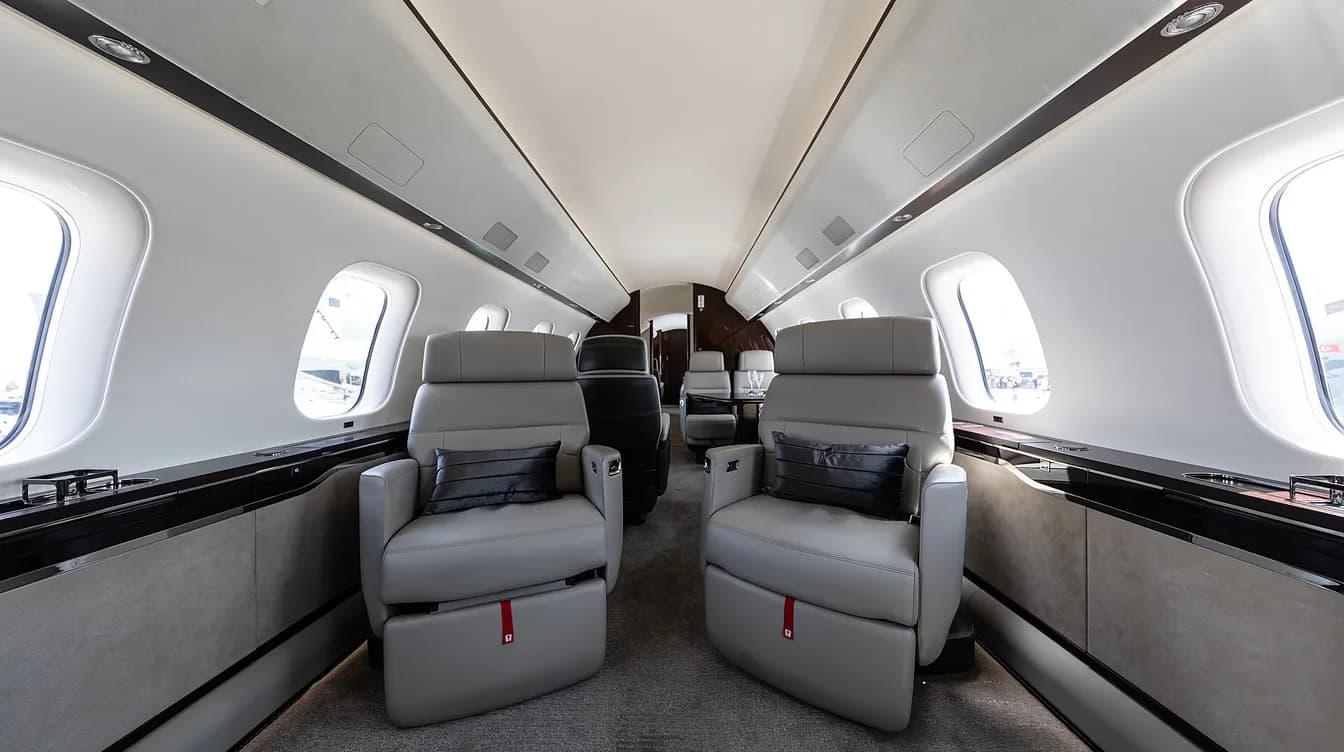
Airlines confine all but the smallest pets to the cargo hold, an environment with temperature swings, pressure changes, and total separation from the owner. Several breeds cannot fly commercially at all: brachycephalic dogs such as bulldogs, pugs, and Persian cats are banned by most carriers because short-muzzled animals face genuine respiratory risk in cargo conditions. For the owner of a large dog or a snub-nosed breed, charter is not an indulgence but the only humane way to fly. On a chartered aircraft the animal travels in the cabin, on the seat or the floor beside its owner, for the entire flight.
Stress drops for both parties. The crew knows the passenger list includes a dog before catering is even ordered, so water bowls, familiar bedding, and relief pads are aboard when the party arrives. Operators in our network that accept animals confirm their cabin policies in advance, and we match the aircraft to the animal: a light jet suits a cat or a terrier, while two Great Danes and a family call for a midsize cabin with floor space.
II.
How operators serve this sector
The paperwork is where most pet travel plans fail, and it is where we do the most work. International movements require vaccination records, microchip registration, health certificates issued within tight windows, and destination-specific rules: rabies titer tests for Japan, tapeworm treatment for the UK, import permits elsewhere. Private jet charter with pets does not bypass any of these legal requirements, and a charter arriving with incomplete papers faces the same quarantine as any traveler. What charter does allow is routing through airports of entry with efficient animal inspection, and schedules aligned to certificate validity windows.
Typical missions include relocations, where the family moves overseas and the dog moves with them in the cabin rather than in a freight system; seasonal migrations between residences; and show or breeding travel where an animal's condition on arrival is the whole point of the trip.
III.
What to plan for
Every flight operates under a commercial certificate with insurance verified before departure. The animal rides as what it is to its owner: a member of the party.
IV.
Typical use cases
- —Pets travelling in-cabin
- —Family relocations and holidays
- —Flexible departure times for children
- —International relocations with full pet documentation handling
The register
Related industries
- Corporate & Business TravelCompanies charter business jets for one reason above all: the schedule belongs to them.
- Executive TravelExecutive jet charter exists for the leaders whose calendar is the most expensive asset in the company.
- Group & Incentive TravelMoving a group by airline is a logistics problem that gets worse with every added seat.
Frequently Asked Questions
Everything you need to know about our services.
Yes — on a chartered aircraft the animal travels in the cabin, on the seat or floor beside its owner, for the entire flight. This matters most for breeds banned from commercial flying: brachycephalic dogs such as bulldogs and pugs, and Persian cats, face genuine respiratory risk in cargo conditions and are refused by most airlines. We match the aircraft to the animal — a light jet suits a cat or terrier, while two Great Danes and a family call for a midsize cabin with floor space.
No — and beware anyone who says otherwise. International movements still require vaccination records, microchip registration, health certificates issued within tight windows, and destination-specific rules: rabies titer tests for Japan, tapeworm treatment for the UK, import permits elsewhere. What charter allows is routing through airports of entry with efficient animal inspection and schedules aligned to certificate validity windows. We handle that documentation work as part of the booking.
Ready to fly?
Send us your route, dates and passenger count. We come back with a quote from vetted operators, usually within the hour.